
- Consumer and producer prices are heating up in the U.S. as a result of the war in the Gulf. The Fed is unlikely to cut rates in 2026, while 30-year yields have moved above 5%. Markets, meanwhile, were left disappointed by the U.S.-China summit.
- Europe remains the fragile player in a deadlocked Gulf crisis, with the ECB likely forced to act on rates to contain inflation that is expected to rise in the coming months.
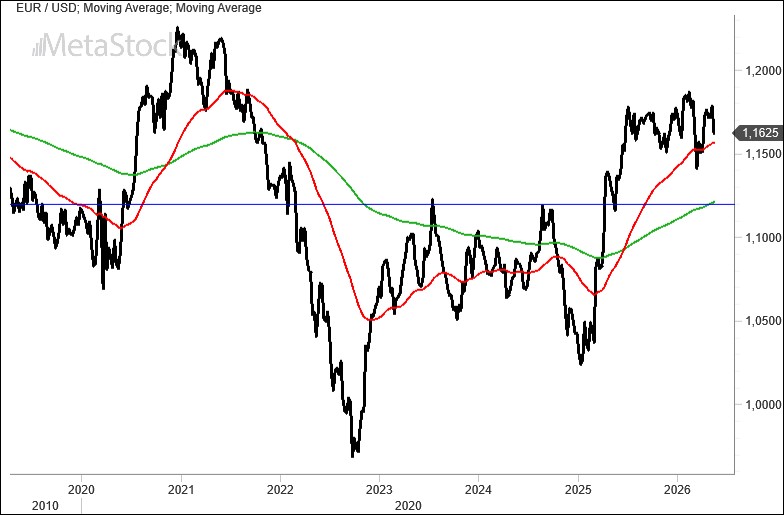
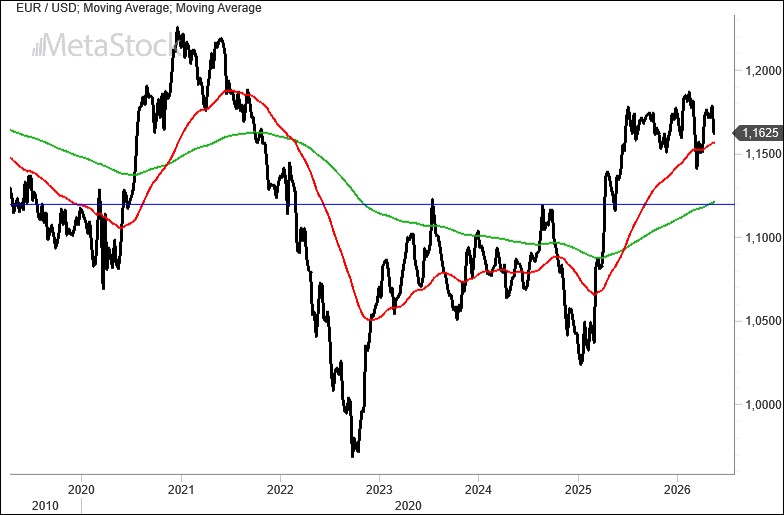
- EUR/USD remains trapped in a tight range, with 1.19 and 1.14 acting as the upper and lower boundaries. A break beyond either level would likely give the pair a clearer direction.
The Shadow of Inflation Over the U.S. Elections
The latest U.S. inflation data have made clear what is happening in a country that, at least on paper, should have less exposure to events in the Strait of Hormuz, given its energy independence. Consumer prices rose 3.8% in April, up from 3.3% the previous month, while core inflation increased to 2.8% from 2.6%.
The rise in energy prices, starting with gasoline, and the knock-on effects on sectors indirectly hit by higher input costs, such as agriculture, make the task ahead for new Fed Chair Warsh particularly difficult. Futures markets are now pricing Fed funds at 3.8% a year from now. Pressure from Trump looks inevitable as the midterm elections approach, with the political road becoming more difficult for the former president. He will no longer be able to revive the narrative that he brought down inflation and interest rates.
The increase in producer prices was even sharper, rising 6% compared with expectations for a 4.8% gain. That suggests the entire production chain may soon begin passing higher costs downstream.
The impact is visible across yield curves, with the U.S. again issuing 30-year bonds carrying a 5% coupon.
The Trump-Xi summit, meanwhile, does not appear to have delivered what markets were hoping for, leaving several files open and raising doubts over the durability of some trade agreements.
On the European side, the close correlation between two-year interest rates and oil prices is increasingly clear. This relationship is now much stronger than the link with gas prices, which largely guided rates in the period immediately after the outbreak of the war in Ukraine. The difference this time is that EUR/USD is not coming under the same downward pressure from rising energy costs, probably because markets expect a possible narrowing of the rate differential with the U.S. We discuss this further in the section dedicated to technical and intermarket analysis.
EUR/USD: A Complete Stalemate
The U.S.-Germany yield spread has been sitting near its lows since December, helping EUR/USD realign more fairly at levels above those seen, for example, in March. This has happened even as 10-year Treasury yields have already reached 4.5%, with the 30-year yield above the psychological 5% threshold following the first such issuance in some time from the U.S. Treasury.

For the moment, there are no clear signs of a trend reversal in EUR/USD. Looking at the weekly chart, the 50-week and 200-week moving averages still confirm the golden cross formed in 2025, when the shorter moving average crossed above the longer one, triggering a bullish signal.
A true trend reversal would require the 50-week moving average to change slope, turn lower and cross below the 200-week moving average. The first cracks in the bullish EUR/USD trend would appear below 1.14, with a more definitive break below 1.12. At that point, the golden cross would likely turn into a death cross, as happened in February 2022.
Leave a Reply
You must be logged in to post a comment.