
- Tensions are flaring again in the Gulf as hostilities resume despite the recent agreement. Meanwhile, the Federal Reserve’s latest monetary-policy minutes suggest a strong likelihood of an interest-rate increase before year-end. Whether President Trump will approve is another matter.
- Inflation remains at the center of attention in Europe as well. Renewed geopolitical flashpoints could force the European Central Bank to abandon a cautious stance that may already look premature.
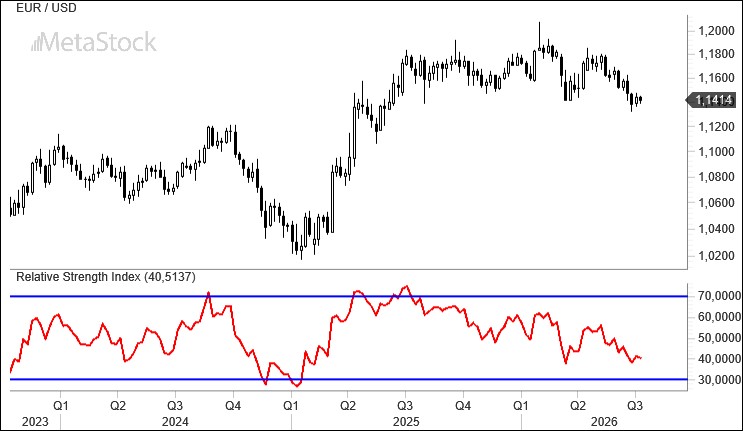
- Support around 1.14 is holding for now, offering some reassurance to an euro that remains under pressure as the dollar regains its safe-haven appeal. The yen, meanwhile, continues to tumble.
The Fed Turns Hawkish as the Gulf Heats Up Again
What had appeared to be an agreement capable of easing tensions for some time lasted only a few days. Fresh U.S. attacks and Iran’s response against bases in the Gulf have brought a fragile truce to an abrupt end.
Iran is asserting the right to impose transit fees on ships passing through the Strait of Hormuz, a demand President Trump is unwilling to accept. The decline in oil prices had reflected excessive optimism among investors, who must now contend with renewed geopolitical risks.
That inevitably shifts attention back to the minutes from the Federal Reserve’s latest meeting. They were significantly more hawkish than expected. With economic growth confirmed as robust and energy prices likely to rise, adding further inflationary pressure, markets may begin pricing in an interest-rate increase—perhaps after the midterm elections.
Managing monetary policy will not be easy for Fed Chair Kevin Warsh, who sooner or later will have to confront Trump’s demands for a more accommodative approach to interest rates.
Against this backdrop, the ECB’s caution looks increasingly out of step. Policymakers appear to have been misled by the temporary calm in the Gulf, while overlooking, among other factors, that benchmark European natural-gas prices in Amsterdam are uncomfortably close to €50.
There is also the question of military spending. A NATO summit has confirmed the need for greater European defense expenditure, including continued support for Ukraine. That will inevitably have inflationary consequences, not least because defense production will compete with civilian industry for essential raw materials.
The renewed tensions are therefore driving money back into the dollar. EUR/USD remains close to support around 1.14, while the Bank of Japan’s efforts to stem the decline of the persistently weak yen have achieved little.
The Pair Remains in the Lower End of Its Range
The daily EUR/USD chart is one we continue to revisit each week because it highlights the fierce battle taking place near the key 1.14 support area.
As long as it remains intact, this level represents the potential neckline of a head-and-shoulders formation and the main obstacle to further dollar strength. A decisive break would likely push EUR/USD toward 1.12 initially, and possibly lower thereafter, particularly if expectations of tighter Federal Reserve policy continue to support the greenback.

The fact that EUR/USD continues to hover near the crucial 1.14 support level could, in a sense, begin to work in the euro’s favor. The longer the pair remains there without a clear technical breakdown—namely, a breach of 1.14 followed by a drop below 1.12—the greater the chances that support will hold.
The weekly oversold conditions that coincided with the low reached in early 2025 are not yet visible on the chart, making it premature to call a definitive bottom. Still, the gradual approach toward that threshold increases the likelihood that the euro will stabilize.
Futures-market data also point to deeply depressed sentiment toward the euro and pronounced optimism toward the dollar. That is often the kind of positioning that precedes a rebound in EUR/USD over the following days.

Leave a Reply
You must be logged in to post a comment.